Best Exercise for Anxiety Relief: Why Brisk Walking Works
What exercise reduces anxiety the most?
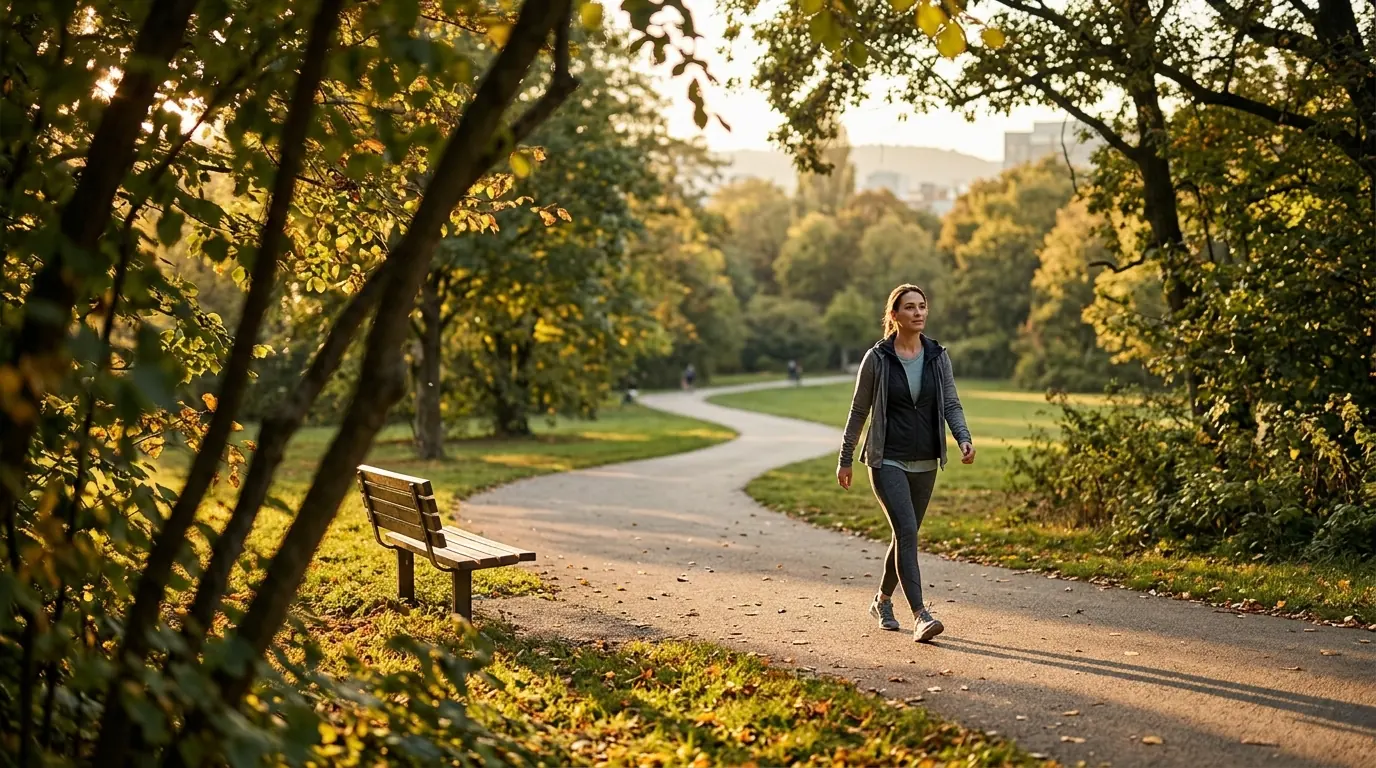
No single workout is best for everyone, but for many people the most reliable anxiety-reducer is moderate-intensity aerobic exercise—especially brisk walking. It’s easy to start, doesn’t require special equipment, and tends to calm the body’s stress response while improving mood within a single session.
Why brisk walking and other aerobic exercise work so well
Steady cardio (walking, cycling, swimming, jogging) helps regulate stress hormones, supports better sleep, and increases feel-good brain chemicals that influence calm and focus. It also gives anxious energy somewhere to go, which can make worries feel less “stuck” in your body. A practical target is 20–30 minutes at a pace where you can still talk but are breathing harder than normal.
What to do if your anxiety feels “wired”
If you’re feeling keyed up, start with 5 minutes of gentle movement and build from there. Many people find that a brief warm-up followed by a consistent rhythm—like walking loops or pedaling at a steady cadence—creates a soothing, predictable pattern that quiets racing thoughts. If impact makes you tense, choose low-impact options such as an elliptical, rowing machine, or a relaxed swim.
Strength training, yoga, and breath-led movement can be powerful too
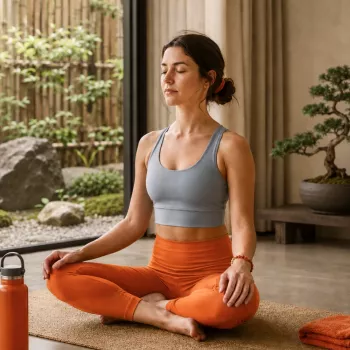
Resistance training often reduces anxiety by boosting confidence and improving overall stress tolerance, especially when sets are challenging but controlled. Yoga, Pilates, and mobility routines combine movement with breathing, which can be especially helpful for anxiety that shows up as tightness, shallow breathing, or restlessness.
How to pick the “most” anxiety-reducing option for you
The best choice is the one you’ll repeat consistently. If you enjoy it, you’re more likely to get the cumulative benefits—better sleep, steadier mood, and a calmer baseline. For a deeper breakdown of options and how to match exercise to your symptoms, visit the main guide here.
FAQ
How long should I exercise to reduce anxiety?
Many people feel calmer after 10–20 minutes, with stronger benefits around 20–30 minutes of moderate effort. Consistency matters most, so start small and build.






Leave a comment